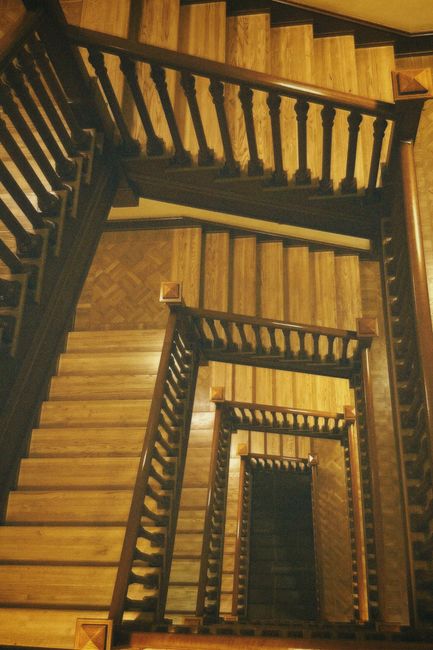
Narrow-stair moves in Burnt Oak: Watling Avenue tips
If you are planning a move with a tight staircase, awkward turns, or a landing that barely gives you room to breathe, you are not alone. Narrow-stair moves in Burnt Oak: Watling Avenue tips is exactly the kind of local moving challenge that catches people out at the last minute. Watling Avenue can add another layer of difficulty too, especially when access, parking, and timing all need to work together. The good news? With the right prep, the right order of work, and a calm approach, these moves become much more manageable than they first appear.
This guide walks you through the practical side of moving larger furniture through narrow stairs, with local Burnt Oak considerations woven in naturally. You will learn what matters most, how the process usually works, where people go wrong, and when it makes sense to bring in help. A few small decisions early on can save a lot of hassle later. Honestly, they often do.
Why Narrow-stair moves in Burnt Oak: Watling Avenue tips Matters
Narrow stairs change the whole feel of a move. A sofa that looked perfectly normal in the lounge can suddenly seem enormous once it reaches the stairwell. A bed frame may twist fine in the hallway, then refuse the turn at the top landing. That is why this topic matters: it is not really about strength alone, but about planning, measurement, patience, and route choice.
In Burnt Oak, local access can be just as important as the staircase itself. Watling Avenue sits within a busy part of the area, so a move can involve careful timing, limited waiting space, and a need to keep the load-in as efficient as possible. If the staircase is tight, every extra minute on the pavement or in the communal entrance matters. To be fair, the whole move feels easier when you stop treating the stairs as a final obstacle and start treating them as the first thing to plan for.
People often underestimate narrow-stair moves because the issue does not show up in the box-ticking stage. It shows up when a wardrobe catches the banister, when a mattress bends awkwardly, or when two people are trying to pivot on a landing that seems to shrink by the second. That is why the best approach is not improvisation. It is method.
How Narrow-stair moves in Burnt Oak: Watling Avenue tips Works
The process usually starts with measuring. Not loosely, not "roughly by eye", but properly. You want the width of the narrowest stair section, the height and depth of each turn, the size of the item, and the route from room to van. With Watling Avenue moves, it helps to think about the whole journey: front door, hallway, stairwell, landing, exit point, and vehicle access. If one part of the route is blocked, the entire plan slows down.
Then comes the decision on how each item should travel. Some pieces move best upright. Others need to be tilted slightly. Sofas, mattresses, desks, and cabinets all behave differently, and that is where experienced handling makes a visible difference. If you are preparing items in advance, guides like packing with precision for a stress-free relocation can help you think in the right sequence rather than in a rushed, all-at-once way.
Next, protection matters. Narrow stairways are hard on corners, paintwork, and delicate finishes. Wrapping straps, blankets, corner guards, and floor protection are not extras. They are the difference between a careful move and a costly repair job. If you are moving bulky pieces, it is worth brushing up on furniture removals in Burnt Oak so you can match the method to the item rather than forcing everything through the same way.
Finally, the move itself should happen in a steady rhythm. One person guides, one lifts, one watches the edges and the landing. No rushing, no shouting over each other, no last-second angle changes unless they are truly needed. Let's face it, stair moves go wrong most often when people try to save thirty seconds and end up losing thirty minutes.
Key Benefits and Practical Advantages
Doing narrow-stair moves properly brings benefits that go beyond avoiding scratches. The biggest one is control. When you know the route and the method, the move feels less chaotic. You are not reacting to problems as they appear; you are already prepared for them.
- Less risk of damage: Careful angle work and protection reduce impacts on walls, bannisters, and furniture.
- Faster overall execution: Clear planning prevents repeated lifting and awkward backtracking.
- Lower physical strain: Good technique reduces the chance of strain on backs, shoulders, and hands.
- Better use of helpers: Everyone knows their role, so the job becomes smoother and safer.
- More confidence on move day: You are not guessing in the moment, which makes a surprising difference.
There is also a commercial advantage if you are comparing help options. Moves with narrow stairs are a good test of whether a mover is genuinely organised. If someone can handle a difficult staircase well, they are usually stronger on timing, protection, and communication too. That is especially useful when you are comparing broader options such as man and van Burnt Oak services or more full-scale removals in Burnt Oak.
One smaller benefit people forget: fewer arguments. Sounds trivial, but it is true. A plan removes a lot of stress between family members or flatmates. Nobody wants to stand on a landing, sweating, while three people offer three different opinions on how to turn the wardrobe. That is not a scene anyone wants before lunch.
Who This Is For and When It Makes Sense
This kind of guidance is most useful if you live in a flat, maisonette, converted house, or older property with a tight internal staircase. It also matters if you are moving items into or out of first-floor rooms, upper floors, or shared hallways with limited turning space. In Burnt Oak, that can apply to students, renters, families, and small businesses alike.
If you are doing a simple room shift, you may not need much more than a second pair of hands. But if you are moving a sofa, wardrobe, king mattress, desk, piano, or white goods, narrow stairs quickly become the deciding factor. For larger musical items, it may be wiser to read piano removals in Burnt Oak and ensuring safety and simplicity in piano relocation before you attempt anything delicate or weighty.
It also makes sense when you are short on time. A last-minute move on Watling Avenue, with parking pressure and a narrow stairwell, is not the day to gamble on "we'll see how it goes". If timing is tight, you may want to compare this with same-day removals in Burnt Oak or review last-minute Burnt Oak moves and same-day man with van help for the kind of decisions that reduce panic.
Step-by-Step Guidance
- Measure the stair route carefully. Check the narrowest stair width, landing depth, turn radius, and door clearance. If a ruler or tape is going to be useful anywhere, it is here.
- Assess each item separately. Measure the item itself and note awkward features like armrests, protruding handles, or fixed legs.
- Remove obstacles early. Clear shoes, baskets, rugs, framed pictures, and anything that could snag underfoot.
- Prepare protection. Use blankets, wrap, tape, and edge guards so the walls and the item are both protected.
- Assign roles. One person leads from the top or bottom, one supports the weight, and one watches the surroundings.
- Test the angle before committing. A short dry-run at the start often shows whether the item should go up upright, side-on, or partially tilted.
- Move in small pauses. Stop on landings if needed, reset grip, and breathe. That little pause can prevent a bad lift.
- Load the van strategically. Put the harder-to-move items in first if they are exiting the property, and keep pathways clear for return trips.
If you want a useful complement to this sequence, become a solo heavy lifting expert offers a practical look at body mechanics, which is helpful even when you are not lifting alone. And if you are trying to trim the load before moving day, decluttering tactics can remove some of the worst items before they ever reach the stairs.
A simple rule helps here: if an item feels uncertain on paper, it is probably more awkward in real life. That is why a short route check is worth the time. It sounds basic. It is basic. But basic is often what saves the day.
Expert Tips for Better Results
Small adjustments make a big difference on narrow stairs. The best moves usually look almost boring from the outside because everything has been thought through in advance. Here are the details that matter most.
- Strip items down where possible. Remove cushions, shelves, drawers, or detachable legs before the move. It reduces bulk and awkward balance points.
- Protect the corners twice. One layer is good; two layers is better for high-contact edges, especially on painted stairwells.
- Use a measured carry height. Lifting too high wastes energy, but letting an item sag too low can catch the next step.
- Keep communication short and clear. "Stop", "slow", "tilt", and "clear" are better than long explanations in the middle of a lift.
- Check footwear. Grippy, closed shoes are a small detail that makes the move feel steadier.
- Have a rest point ready. If the landing is the only usable pause point, know that before you start. Don't discover it mid-shift.
On Watling Avenue, timing can also help. If traffic or loading space is likely to be awkward, an earlier start is often calmer than a late one. Morning light, less noise, and fewer people around the entrance can make a surprising difference. You hear your own instructions better. Sounds minor, but it isn't.
For bulky home items, a good supporting read is creative solutions for moving your bed and mattress. Beds and mattresses are classic troublemakers on stairs, and the ideas there translate well to other oversized household pieces. If you are moving upholstered items, the sofa preservation article is also useful for keeping fabric and frames in decent shape during a tight squeeze.
Common Mistakes to Avoid
Most narrow-stair problems are predictable. That is the annoying part. But it also means they are preventable. Here are the mistakes that cause the most trouble.
- Skipping measurements: Guessing the width of a stairwell is how people end up stuck halfway up.
- Assuming every item can be tilted the same way: Sofas and wardrobes behave very differently.
- Ignoring the landing: A wide item may fit the stairs but fail on the turn. The landing is often the real test.
- Forgetting wall protection: A narrow stair move is as much about avoiding scuffs as moving the item itself.
- Overloading the helpers: Too few people, or the wrong people, can turn a tidy move into a wobbling mess.
- Rushing because the van is waiting: The van can wait. A damaged item or injured back is a worse outcome.
Another common one: trying to save money by doing the hardest part yourself, then hiring help only after the problem appears. That can work sometimes, sure, but not often with narrow stairs. If you are comparing costs, read spot hidden fees in Burnt Oak removal quotes as well. A cheap quote can look clever until stair access, extra handling, or protection needs change the picture.
And yes, there is a kind of optimism bias people get on move day. "It'll be fine." Sometimes it is. Sometimes the stairwell answers back with a hard no.
Tools, Resources and Recommendations
You do not need a warehouse of specialist kit, but a few well-chosen tools make narrow-stair moves a lot easier. The best kit is simple, sturdy, and not overcomplicated.
| Tool or resource | Best use | Why it helps |
|---|---|---|
| Moving blankets | Furniture and wall protection | Reduces scratches, dents, and friction on tight turns |
| Ratchet straps or webbing straps | Securing awkward loads | Keeps items stable and easier to guide |
| Gloves with grip | Handling heavy items | Improves control without making your hands slip |
| Floor protection | Stair treads and hallway surfaces | Helps prevent scuffs and dirt transfer |
| Tape and corner guards | Wrapping and edge protection | Useful on banisters, table corners, and cabinet edges |
Resource-wise, it helps to think holistically. If your move is part of a larger relocation, then packing and boxes in Burnt Oak can support your prep, while storage in Burnt Oak is useful if the stair access problem means you need to stage items in phases.
For general planning and service overview support, services overview is a sensible place to orient yourself before deciding how much help you want. If you are moving on a budget, pricing and quotes is the wrong URL? No, let's keep it clean: pricing and quotes would be helpful if it were allowed, but it is not in the approved list exactly as written. So the safer route is to keep planning internally and focus on the move itself.
That little example is a good reminder: only use what is actually available and exact. In moving, as in SEO, details matter. A lot.
Law, Compliance, Standards, or Best Practice
For a narrow-stair move in Burnt Oak, the practical compliance angle is mostly about safety, access, and property care rather than anything especially formal. Still, a professional mover should follow sensible health and safety practice, use appropriate lifting technique, and avoid blocking communal areas for longer than necessary.
In shared buildings, it is also wise to check lease rules or building guidance about moving times, lift usage, and hallway protection. If a building has a narrow stairwell and communal access, you should be considerate with neighbours and keep entrances clear. That is common sense, but it matters. Some properties also require advance notice for larger deliveries or removals, and it is better to ask than to assume.
Where heavy lifting is involved, the standard of care should be cautious and realistic. If a piece is too awkward for a safe manual carry, the correct response is not to "give it a go" again and again. It is to break the task down, improve the route, or bring in suitable help. The same principle applies to insured handling and damage prevention: plan first, lift second.
For reassurance on the broader safety side, you can review insurance and safety and health and safety policy. Those pages are useful if you want to understand how a professional approach should feel in practice, even if your actual move is small.
One gentle reminder: if you are moving into or out of a flat, take communal safety seriously. A scratched wall can be fixed. A blocked stairwell during a rush hour move is harder to excuse.
Options, Methods, or Comparison Table
There is no single best method for every narrow-stair move. The right choice depends on the item, the staircase, the available help, and how much risk you are willing to carry. Here is a simple comparison of common approaches.
| Method | Best for | Pros | Watch-outs |
|---|---|---|---|
| DIY with friends | Light to medium furniture | Lower upfront cost, flexible timing | Less experience, higher risk of awkward lifting |
| Man and van support | Mixed household items | Good balance of price and help | Needs clear brief and careful planning |
| Full removals team | Heavier, more complex moves | More structure, more protection, less guesswork | Usually costs more than a basic lift-and-load option |
| Storage-first approach | Moves with access problems or staging needs | Reduces pressure on the stair move itself | Requires extra coordination and timing |
If your staircase is very tight, the storage-first option can be surprisingly useful. It gives you time to remove weak items, separate large belongings, and stage things in a better order. For moves involving flats, flat removals in Burnt Oak are worth considering because stair complexity is often part of the job, not an exception.
And if you are moving more than a few household pieces, full support can be the calmer choice. Not glamorous, maybe, but calmer. Which is often what you want on a tight staircase.
Case Study or Real-World Example
A practical example helps here. Imagine a couple moving from a first-floor flat off Watling Avenue. The staircase is narrow, with a tight turn near the top and a shallow landing. Their biggest challenges are a sofa, a double mattress, and a small wardrobe. On paper, it looks manageable. In reality, the sofa is the problem piece.
They start by measuring the stair width and the sofa depth, then remove all cushions and loose feet. They wrap the sofa arms and corners, clear the hallway, and place protection on the stair edges. One person guides from above while another supports the lower end from below. On the first attempt, they realise the sofa is too long to take the turn upright. So they pause, rotate slightly, and move it in a more controlled diagonal position. No drama, just adjustment.
The wardrobe comes next, and because the shelves have been removed, it is lighter and easier to angle. The mattress is the simplest item, but only because they keep it folded slightly and avoid forcing it through the turn. The whole move takes longer than a straightforward ground-floor lift, but there is no damage, no panic, and no last-minute repairs.
What made it work? Not muscle. Preparation. The calm bit before the move, when they checked measurements and accepted that the sofa needed a different technique, made all the difference. If you have ever watched an item slide around a landing like it is auditioning for a bad comedy scene, you will know exactly why that matters.
Practical Checklist
Use this checklist before move day. It is simple, but it catches most of the avoidable problems.
- Measure the narrowest part of the stairwell
- Measure the largest item at its widest points
- Check the landing and turn space separately
- Remove detachable parts from furniture
- Pack and label small items before the heavy lifting starts
- Protect walls, floors, and corners
- Wear shoes with good grip
- Assign one person to lead communication
- Plan a clear route from room to van
- Keep doors open and hallways free of clutter
- Prepare for parking or access delays on Watling Avenue
- Pause if the item feels unstable or too awkward
If you are still deciding whether to move, store, or reduce the load before the day arrives, the most useful next step is often decluttering. A smaller move is almost always a simpler move. On a tight staircase, that is not just convenient; it is strategic.
Get a free quote today and see how much you can save.
Conclusion
Narrow-stair moves in Burnt Oak: Watling Avenue tips are really about control, not chaos. Once you know the measurements, the item shapes, the access route, and the likely pressure points, the whole job becomes far more predictable. That is the part people appreciate most after the dust settles: the move feels hard, but not hopeless.
Watling Avenue adds the usual local realities of access, timing, and street-level logistics, so the smartest approach is to plan the staircase as part of the route, not as a problem to solve later. Whether you are moving a sofa, mattress, wardrobe, or a mix of household pieces, careful prep will always beat hopeful guessing. And if you can bring a little patience with you, even better. Really, that helps more than people think.
Take it one step at a time, literally. The stairs will not get wider, but your plan can get sharper.
Frequently Asked Questions
How do I know if my furniture will fit up a narrow staircase?
Measure the widest points of the furniture and compare them with the narrowest stair width, the landing, and the turn. If the item has arms, handles, or fixed legs, include those too. A quick eye test is not enough on its own.
What should I move first in a narrow-stair flat move?
Start with smaller, lighter items and anything that clears space, such as boxes, lamps, and loose accessories. Then move on to the awkward pieces once the route is open and everyone can see the stairwell properly.
Are sofas always too difficult for narrow stairs?
Not always. Some sofas can be moved upright or rotated carefully, especially if cushions and feet are removed. Others are simply too bulky for the staircase shape, in which case a different route or a professional approach is safer.
How many people do I need for a stair move?
It depends on the item, but two people is often the minimum for bulky pieces. Three can be better when one person needs to guide from above, another supports the lower end, and a third watches the surroundings. It is a bit like a small relay team.
What is the safest way to turn furniture on a landing?
Pause before the landing, check the angle, and rotate in small controlled movements rather than one big push. Keep the item close to the wall protection and communicate every adjustment clearly.
Should I remove doors to get larger furniture upstairs?
Sometimes, yes, if door clearance is the bottleneck. But only do this if it is safe and practical to refit them correctly afterwards. Often the real issue is not the door itself, but the turn immediately after it.
Is it worth hiring help for a single heavy item?
If the item is expensive, awkward, or likely to damage the staircase, then yes, it can be worth it. A single difficult item can cause more stress than a full room of smaller boxes. Strange, but true.
How can I protect the walls during a narrow-stair move?
Use blankets, corner guards, and floor protection on the route. Keep the item stable and avoid swinging the load around the turn. Protection works best when it is put in place before the lifting starts, not after the first scuff.
What should I do if the item gets stuck halfway up the stairs?
Stop immediately. Do not force it. Lower it in a controlled way if possible, reassess the angle, and reduce friction by removing straps, cushions, or detachable parts. If it still does not move safely, step back and rethink the route.
Can storage help with narrow-stair moves?
Yes, especially if you need to split the move into stages or reduce the amount of furniture going through the stairs at once. Storage can take the pressure off a difficult access route and make the move less rushed.
Do narrow-stair moves usually take longer than normal moves?
Yes, they often do. Even with good planning, tight turns, extra protection, and controlled handling slow things down a little. That is normal. The aim is not speed at all costs, but a safe and tidy result.
What is the biggest mistake people make on Watling Avenue moves?
Usually it is underestimating access and timing. The stairwell may be the focus, but parking, waiting space, and the order of loading can affect everything else. A move goes better when the route outside the building is planned as carefully as the route inside it.