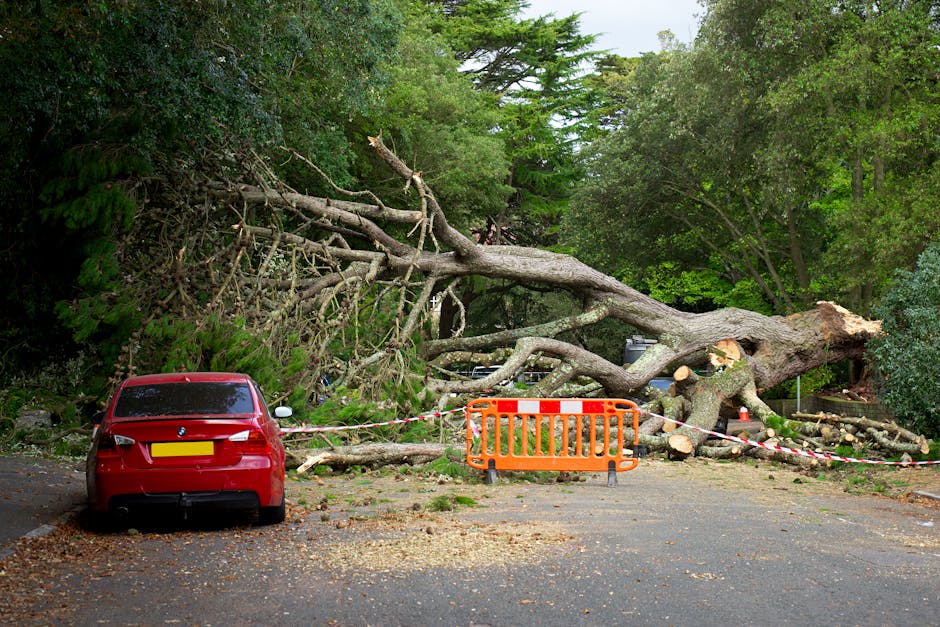
Do you need a Burnt Oak road closure for large removals?
If you are planning a big move in Burnt Oak, the question is often not just about vans, boxes, and lifting straps. It is about access. Can the vehicle park safely outside? Will neighbours still be able to pass? Is there enough space to load wardrobes, sofas, or office equipment without causing a headache for everyone on the street? That is where the question of a Burnt Oak road closure for large removals starts to matter.
In many cases, you will not need a full road closure. But for oversized house moves, commercial relocations, long vehicles, tight terraced streets, or awkward parking conditions, temporary traffic management or suspension of parking can make the day far smoother. In this guide, we will break down when a road closure is sensible, how the process usually works, what the practical alternatives are, and how to avoid turning moving day into a street-wide standoff. Truth be told, a little planning saves a lot of shouting at 8:15 in the morning.
Table of Contents
- Why Burnt Oak road closures matter for large removals
- How a road closure or access plan works
- Key benefits and practical advantages
- Who this is for and when it makes sense
- Step-by-step guidance
- Expert tips for better results
- Common mistakes to avoid
- Tools, resources and recommendations
- Law, compliance, standards and best practice
- Options, methods and comparison table
- Case study or real-world example
- Practical checklist
- Conclusion
- Frequently asked questions
Why Burnt Oak road closures matter for large removals
A road closure is not just a bureaucratic box to tick. It is a practical tool for reducing risk, keeping a move on schedule, and protecting people, vehicles, and property. On a busy London street, especially one with narrow lanes, parked cars, or regular passing traffic, a removal lorry can quickly block access if the job is bigger than expected.
Large removals can involve more than a standard domestic van move. Think of multi-room family homes, piano moves, bulky furniture, office fit-outs, heavy archive boxes, or a job where several people are carrying items in and out for hours. If the vehicle needs to sit close to the property, if loading bays are unavailable, or if the items simply cannot be carried safely from a distant parking spot, then temporary road control becomes more than a convenience. It becomes part of the move itself.
Burnt Oak has the same kind of urban pressures you would expect across north-west London: residential streets, school-run traffic, tight corners, and the occasional car parked exactly where you needed space. That is why the best removal plans are usually built around access first, lifting second. It sounds obvious, but in real life it is often overlooked until the front door is open and the sofa is halfway out.
Expert summary: For most large removals, a full road closure is not automatically required. The real question is whether the street layout, vehicle size, duration of loading, and safety risks make controlled access, parking suspension, or a temporary closure the most sensible option.
If you are comparing move types and support services, it can also help to look at broader options such as removal services, removals, or man and van support for smaller jobs. For larger or more complex moves, a more structured approach is usually the safer bet.
How a road closure or access plan works
Let's keep this plain English. A "road closure" may mean different things in practice. Sometimes it is a full temporary closure for a short period. Sometimes it is a partial restriction, such as holding parking bays, suspending waiting, or controlling access while the vehicle is loaded. For many removals, that lighter-touch approach is enough.
Here is the practical sequence most people should expect:
- Assess the property access. Look at road width, turning space, parking availability, nearby junctions, and whether the removal vehicle can stop legally and safely.
- Match the vehicle to the street. A large truck may be ideal for moving volume, but not if it cannot fit or manoeuvre. In some streets, a smaller removal van or moving van is a better fit.
- Decide whether traffic control is needed. If loading will block the road, obstruct a busier route, or create a safety issue, some level of control may be advisable.
- Plan the timing. Early mornings, school hours, and peak traffic times can all make access harder. In the real world, timing often changes everything.
- Communicate with everyone affected. Residents, building managers, office staff, and the removal team should all know what is happening and when.
- Prepare the move. Boxes labelled, furniture wrapped, lift access arranged, and walking routes cleared. The best road plan in the world will not help if the team is still hunting for tape.
For bigger household projects, it can be useful to review the logistics behind house removals or a more hands-on house movers service. If the move is commercial, the coordination is often even more important, which is why some clients prefer a dedicated commercial moves approach.
Key benefits and practical advantages
Road closures and access controls are not about making a move feel official. They are about keeping the day calm and workable. When used properly, they can reduce delays, protect the public, and make lifting safer for the team.
- Better vehicle positioning. The removal vehicle can stop closer to the property, which reduces carrying distance and lowers the chance of damage.
- Less disruption. A managed plan can avoid random double parking, blocked driveways, and frustrated neighbours honking from the end of the street. Nobody enjoys that soundtrack.
- Improved safety. Fewer passing vehicles around moving people and furniture means fewer near-misses, especially on narrow roads.
- Faster loading and unloading. When the vehicle can sit where it needs to, the whole process often runs more efficiently.
- Reduced stress. A move feels much more manageable when the access plan is already sorted.
There is also a hidden benefit: better judgement. Once you assess whether you need a closure, you often discover whether your move is actually a "large removals" job or just a standard one with a few bulky items. That distinction matters more than people think. It can affect staffing, vehicle choice, packing support, and even whether you need packing and unpacking services.
If your move includes specialist items or awkward furniture, planning around access is especially worthwhile. Even a simple sofa can become a problem if the road is tight, the weather is wet, and the carry route is longer than expected. Add a wardrobe or two, and the morning can get messy quite quickly.
Who this is for and when it makes sense
Not every move in Burnt Oak needs traffic control. That said, certain situations make a road closure or similar arrangement much more sensible.
Typical situations where it may be worth considering
- Large family home moves with multiple rooms of furniture
- Moves involving bulky items such as wardrobes, pianos, or large appliances
- Commercial relocations with loading docks unavailable
- Terraced streets where parking is already limited
- Properties near busy roads, schools, or junctions
- Moves requiring a long loading window or repeated trips
- Buildings where the removal team must keep a safe, clear route for neighbours or pedestrians
If your job is smaller and you can park close without obstructing traffic, a full closure is often overkill. In that situation, a flexible team with the right vehicle may be enough. Some customers find that a simpler setup like man with van or man with van removal gets the balance right.
Office work is a different beast again. Office furniture, IT gear, and time-sensitive deadlines mean access disruption can have a direct impact on productivity. That is why services such as office removals and office relocation services often need tighter planning than a standard domestic move.
Step-by-step guidance
If you are trying to work out whether you need a Burnt Oak road closure for large removals, the most useful thing is to follow a simple decision process. No drama, just sensible checks.
- Measure the access points. Check road width, driveway access, the distance from parking to front door, and any bends or low bridges that might affect the vehicle.
- List the bulky items. Note anything that needs extra space or several people to lift safely.
- Estimate loading time. A move that takes twenty minutes is very different from one that will keep a vehicle stationary for hours.
- Check whether parking can be controlled. A temporary bay suspension may be enough, which is often easier than a full closure.
- Decide on the vehicle size. A larger truck may be efficient, but it has to suit the road. If not, split loads or use a smaller van.
- Speak to the removals provider early. The earlier the team sees the access layout, the better the advice they can give.
- Build in buffer time. Unexpected delays happen. A neighbour's car, rain, or a missed key can all add ten frustrating minutes.
- Keep communication clear on the day. One person should be responsible for decisions. Too many cooks, as they say, and the kettle never boils.
For larger home projects, consider whether you also need home moves support. If you are shifting a whole household, the move may benefit from a more complete service than a simple vehicle hire arrangement. You can also compare options through removal company and removal companies information if you are still weighing up your choices.
Expert tips for better results
A few small decisions can make the difference between a move that feels controlled and one that feels like a crowded gym class with furniture. Here are the habits that experienced teams lean on.
- Do a physical site check if possible. Photos help, but nothing beats standing on the pavement and looking at the space properly.
- Reserve the closest possible stopping point. Even a short distance matters when carrying a heavy sofa or filing cabinet.
- Keep the footpath clear. A clear pedestrian route is both safer and less likely to annoy passers-by.
- Protect items before they reach the kerb. Wrapping furniture inside the property reduces handling and scuff marks.
- Choose the right-sized team. More hands are not always better, but too few hands can slow everything down.
- Check insurance and safety details in advance. Good providers should be clear about this, which is one reason many customers look at insurance and safety before booking.
- Plan for the weather. A wet pavement and a heavy mattress are not a friendly combination. Not at all.
It is also worth comparing any quote carefully. Not just the headline price. See what is included, what the load/unload assumptions are, and whether there are extra charges if access is awkward. If you want a straightforward start point, pricing and quotes can help you understand how the service is packaged.
Common mistakes to avoid
This is where people get caught out. The problem is not usually the move itself. It is the assumptions made beforehand.
- Assuming the street will be fine on the day. That "we'll sort it when we get there" mindset is how moves become stressful.
- Booking a vehicle that is too large for the road. A bigger truck is not always the smarter choice.
- Ignoring parking restrictions. Even a temporary stop can become a problem if the plan is not thought through.
- Underestimating loading time. Big removals almost always take longer than people first imagine.
- Forgetting neighbours and building access. A friendly heads-up can avoid complaints and blocked doorways.
- Not clarifying whether a closure is actually necessary. In many cases, a controlled loading plan is enough.
- Leaving packing too late. The road may be ready, but your wardrobe might still be half full of socks and cable clutter.
For households that are still sorting furniture and loose items, services such as furniture pick up can sometimes help reduce the volume on moving day. Smaller loads generally mean simpler access needs. That is not a magic fix, but it does take pressure off.
Tools, resources and recommendations
You do not need a complicated toolkit to plan this well. What you do need is a clear set of notes and a bit of common sense.
- Site photos. Take pictures of the road, kerb, entrance, and any awkward corners.
- Room inventory. A rough list of heavy items helps determine vehicle size and lifting needs.
- Access notes. Lift restrictions, stair counts, gate widths, and parking details all matter.
- Floor protection materials. Useful in both homes and offices where there is a long carry route.
- Packing supplies. Good boxes, tape, and wrap reduce last-minute surprises.
- Written move plan. Even a simple checklist on paper can stop confusion on the day.
If you are coordinating a more complex move, it can help to work with a provider that understands the full chain of logistics. That includes vehicle choice, loading patterns, safety, timing, and customer communication. Browsing movers and removal services can give you a better sense of the support available before you commit.
Law, compliance, standards and best practice
For road closures and access control, the exact process depends on the local authority and the street conditions. It is sensible to treat this as a compliance-and-safety question rather than a casual logistics detail. If a move risks blocking traffic, footways, emergency access, or safe loading, it is wise to plan accordingly and seek the right permissions or arrangements through the proper channels.
In practice, the key principles are straightforward:
- Do not obstruct unsafe routes. Pedestrians, cyclists, and vehicles should not be forced into a dangerous workaround.
- Keep emergency access in mind. Anything that could prevent emergency vehicles from passing should be avoided.
- Use competent handling methods. Lifting and carrying heavy items should be done safely and with suitable equipment where needed.
- Be clear about responsibility. The customer, the removals team, and any property manager should understand who is arranging what.
- Check terms and insurance. Good providers are clear about scope, exclusions, and what happens if plans change.
Good providers should also have strong operational policies in place, including health and safety policy standards and clear terms and conditions. If you are ever unsure, ask direct questions. Straight answers are a good sign.
One more thing: if the move is in a mixed residential area, respect for neighbours matters. Noise, pavement obstruction, and blocked drives may sound minor at first, but they are often what turn a smooth move into a complaint. A little courtesy goes a long way.
Options, methods and comparison table
So, should you go for a full road closure, a parking suspension, or no formal traffic control at all? It depends on the job. Here is a simple comparison to help you decide.
| Option | Best for | Pros | Limitations |
|---|---|---|---|
| Full road closure | Very large removals, tight streets, high safety risk | Maximum space and control, safer loading zone | More planning, more disruption, not always necessary |
| Parking suspension / bay control | Most urban domestic and office moves | Often enough for safe loading, less disruptive than closure | Still needs proper coordination and timing |
| No formal restriction | Smaller moves with easy parking | Simple, quick, flexible | Can become risky if the road is busier than expected |
In many Burnt Oak moves, the middle option is the sweet spot. Full closure is usually reserved for situations where space, duration, or safety concerns justify it. If not, a well-briefed team with the right vehicle may be enough. For some customers, a lighter setup using man and van removals makes more sense than a large truck approach.
Case study or real-world example
Here is a realistic example from the kind of situation many local movers recognise.
A family in a terraced Burnt Oak street needed to move from a three-bedroom home with a large wardrobe, dining table, two sofas, and several heavy boxes of books. The road was narrow, parking was limited, and the only practical place for the vehicle was directly outside the property. On paper, it looked like a road closure might be required. In practice, the team found that a short parking suspension and a carefully timed arrival were enough.
They started early, kept the loading route clear, and used a slightly smaller vehicle than originally planned. That decision mattered. The move still took a decent chunk of the morning, but it stayed safe, neighbours could pass with minimal hassle, and the family avoided the delay that a full closure application might have caused. The client had been worried it would be a nightmare, to be fair. It wasn't. It was just organised.
Now compare that with a commercial office move involving multiple desks, server equipment, and a strict handover deadline. There, a more controlled setup could be justified because the job is not just about carrying items. It is about keeping the building operational, protecting equipment, and avoiding interruption. That is where office removals planning really pays off.
Practical checklist
Use this checklist before you decide whether a Burnt Oak road closure is needed for your large removal.
- Measure the road width and parking space outside the property
- Confirm whether the removal vehicle can stop safely and legally
- List all large or awkward items
- Estimate how long loading and unloading will take
- Check whether a parking suspension is enough instead of a full closure
- Review weather, school times, and local traffic pressure
- Speak to your removals provider about vehicle size and access
- Ask whether packing or dismantling can reduce loading time
- Notify neighbours or building management if needed
- Confirm insurance, safety, and booking terms before the day
If you are still comparing providers, it is sensible to review the company background and service approach as well. You may find the about us page useful for understanding how the team works, and contact us if you want to ask about access, timing, or larger move requirements.
Conclusion
So, do you need a Burnt Oak road closure for large removals? Sometimes, yes. Often, no. The real answer depends on the size of the move, the width of the street, the vehicle you are using, and how long loading is likely to take. For many jobs, a parking suspension or a carefully planned access arrangement will do the job perfectly well.
The best approach is to assess the street first, match the vehicle to the road, and keep safety at the centre of the plan. That way, you are not guessing on moving day. You are making a decision based on the job in front of you. And honestly, that is what keeps the whole thing manageable.
If you need help planning a move with tight access, bulky items, or a bigger household load, start early, ask the right questions, and choose the setup that fits the street rather than forcing the street to fit the move. That little bit of care usually makes all the difference.
Get a free quote today and see how much you can save.
Frequently Asked Questions
Do you always need a road closure for large removals in Burnt Oak?
No. Many large removals can be completed with parking control, a suitable loading arrangement, or a smaller vehicle. A full closure is usually only needed when the street is too narrow, too busy, or too risky for normal loading.
What is the difference between a road closure and a parking suspension?
A road closure stops traffic from using the road for a period of time. A parking suspension usually reserves the space so the removal vehicle can stop there legally. For many residential moves, the second option is enough.
How do I know if my street is too tight for a removal van?
If parking is limited, cars regularly block access, or the vehicle would need to sit awkwardly across the road, the street may be too tight. A quick site check with the removals provider is the safest way to judge it.
Who arranges a Burnt Oak road closure or access restriction?
It depends on the situation. Sometimes the customer, sometimes the removal company, and sometimes a building manager or agent will take the lead. The important thing is to agree responsibility early so nothing is left to chance.
Can large furniture be moved without closing the road?
Yes, often it can. If the vehicle can park nearby and the carry route is safe, most furniture moves do not require a full closure. Bulky items may still need more time and space, though.
Are office removals more likely to need traffic management?
They can be. Office removals often involve more equipment, more people, and tighter schedules, so access planning matters a lot. In some cases, controlled parking or a temporary restriction is helpful.
Is a bigger truck always better for large removals?
Not necessarily. A bigger truck can carry more, but it also needs more space to park and manoeuvre. On narrow Burnt Oak streets, a smaller vehicle may actually be more efficient.
How far in advance should I plan access for a move?
As early as possible. Even if you are unsure about a closure, it is wise to assess access when you first request a quote. That gives everyone time to plan properly and avoid last-minute changes.
What should I check before booking removals in a busy residential street?
Check the road width, parking options, loading distance, timing, and whether you need any traffic control. Also confirm insurance, safety arrangements, and whether the move will need extra hands or packing support.
What if my move starts simple but turns out to be bigger than expected?
That happens more often than people admit. If you think the job may grow, build in a little extra time and tell the removals team in advance. It is much easier to scale a plan up than to improvise halfway through the day.
Where can I get help with a large or awkward removal in Burnt Oak?
You can explore options like removals near me, compare removal truck hire, or choose a more flexible approach such as removals van support. The right choice depends on the size of the move and how tight the access is.